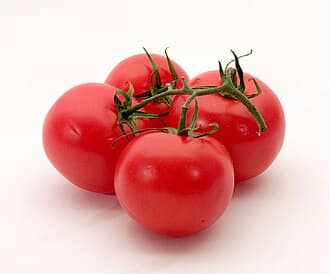
Tomato
Solanum lycopersicum
Also known as: garden tomato
Warm-season fruiting vegetable for fresh eating, cooking, and preserving. Available in determinate and indeterminate types.
Growing Requirements
Planting Schedule
Start Indoors
6–8 weeks before last frost
Transplant Outdoors
1–9 weeks after last frost
Germination
5–10 days
Days to Harvest
60–85 days
Zone Suitability
USDA Hardiness Zones
Zones 3–11
Grown as annual in all zones. Frost sensitive.
Companion Plants
Good Companions (12)
Basil
Ocimum basilicum
Repels aphids, whiteflies, and thrips from tomato plants
Confidence: High
Marigold
Tagetes spp.
Root exudates suppress root-knot nematodes in soil
Confidence: High
Nasturtium
Tropaeolum majus
Trap crop that lures aphids and whiteflies away
Confidence: High
Garlic
Allium sativum
Repels spider mites and aphids with allium compounds
Confidence: Medium
Chives
Allium schoenoprasum
Allium scent deters aphids
Confidence: Medium
Parsley
Petroselinum crispum
Attracts hoverflies that prey on tomato pests
Confidence: Medium
Carrot
Daucus carota subsp. sativus
Compatible root depths minimize competition
Confidence: Medium
Borage
Borago officinalis
Attracts pollinators and may deter tomato hornworm
Confidence: Medium
Onion
Allium cepa
Onion deters aphids near tomato plants
Confidence: Medium
Bell Pepper
Capsicum annuum
Similar growing needs; share pest-deterrent herb companions
Confidence: Medium
Jalapeño Pepper
Capsicum annuum
Similar growing requirements; share beneficial herb companions
Confidence: Medium
Thyme
Thymus vulgaris
Deters whiteflies near tomato plants
Confidence: Medium
Antagonists (3)
Fennel
Foeniculum vulgare var. azoricum
Fennel root exudates are allelopathic and inhibit tomato growth
Confidence: High
Cabbage
Brassica oleracea var. capitata
Both are heavy feeders that compete for the same nutrients
Confidence: Medium
Corn
Zea mays
Both attract the same pest (corn earworm / tomato fruitworm)
Confidence: Medium